Category: Blog Post

  • Opportunity or Stability: Which Should You Chase?

    Opportunity or Stability: Which Should You Chase?

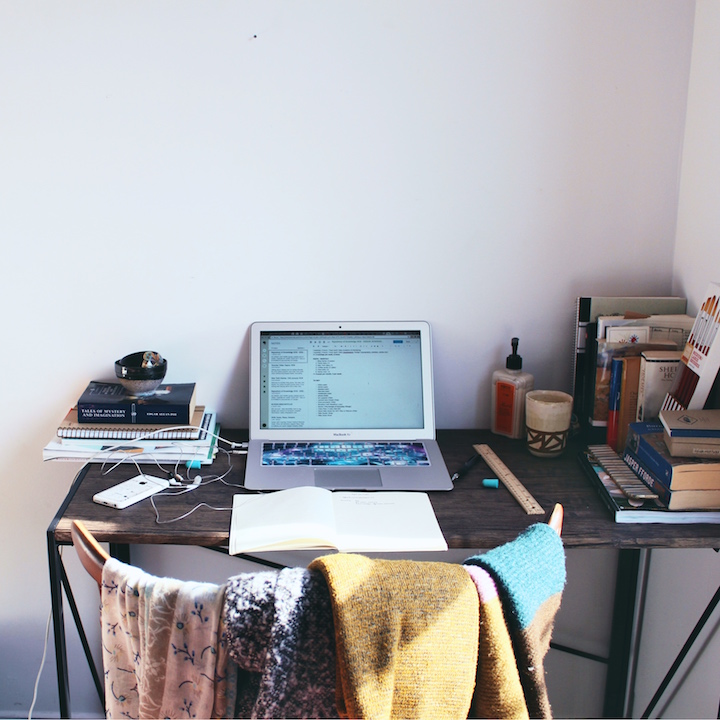
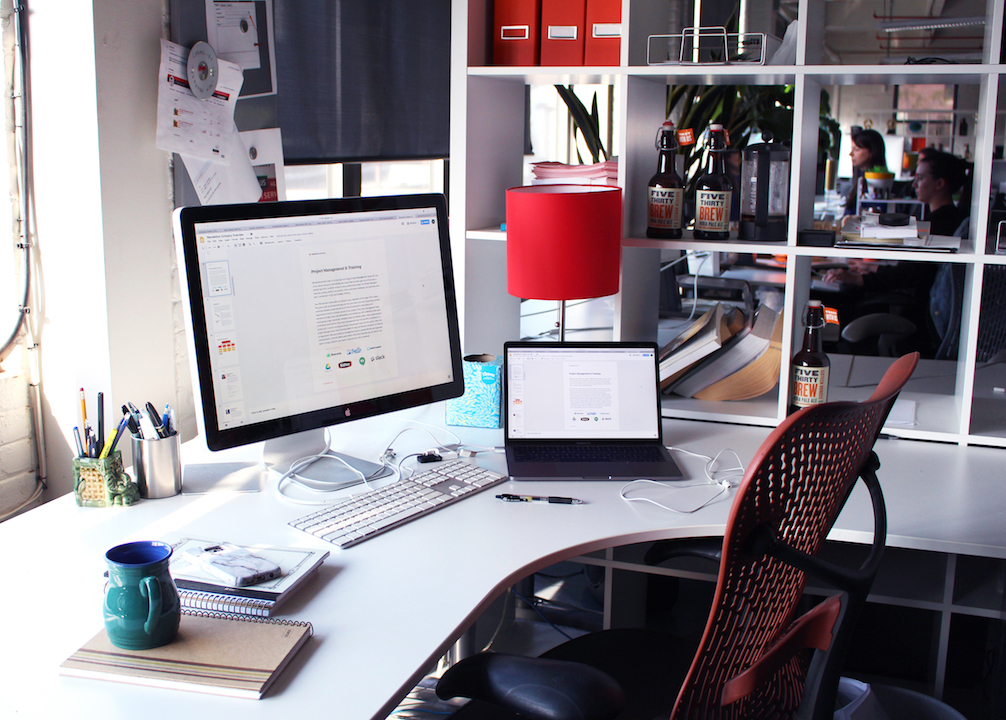
    I just got to my desk, it’s Thursday morning in June, 10am, I’m about to eat breakfast. I’ve spent the morning at my favorite cafe, drinking coffee, writing and brainstorming and browsing through storyboard notebooks on the Muji website. A rare yet blissful morning, which happens once a week on my day off from training. Now it’s time to spend the next 8 hours at my desk, with a view of Manhattan out the window, which holds a different appeal and represents a different world almost every different day I look out there (depending on my mood). And I’m wondering, if I went on a job search hunt, and threw my resume out for every exciting role I stumbled upon, regardless of the location, what I might find – what opportunities and new experiences I could allow to land on my lap. Pilot Jobs at BizJetJobs.com could be among those exciting opportunities, offering a fulfilling career in aviation.

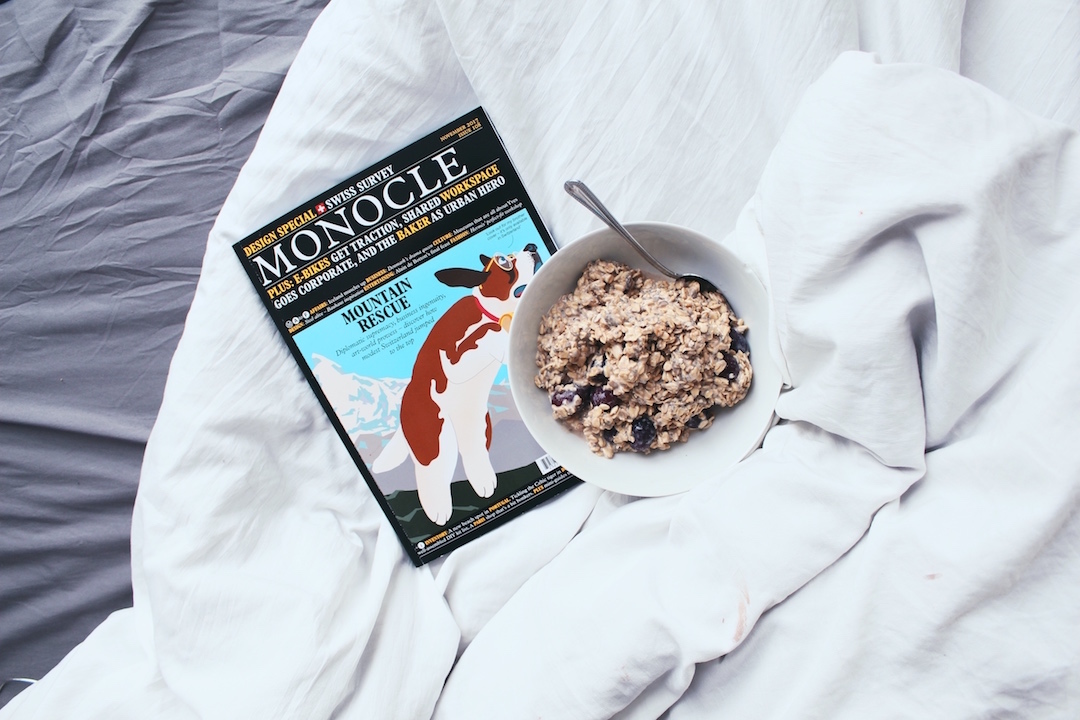
    Then my thoughts swing back to my life here in New York, and the lifestyle, routine and security I’ve built for myself here. High-fiving people while running across the Williamsburg bridge in the morning, the baristas at Blue Bottle at Berry Street who know exactly how much water I need in my morning short americano; taking the same two tubs of oatmeal with me for breakfast and lunch every day (I love oatmeal, ok?), the girl working at the shop around the corner smiling when I pop by at circa 11.30am to buy two huge oranges, and probably after work again for veggies and almond milk, and knows I’ll never want a plastic bag or a receipt; I just want my reusable canvas bag from Aquaholic Gifts.  I meet with the run club every Wednesday and Saturday morning, we talk about marathon training and minutes per mile; the same trainers at the gym every morning, telling me “you’re no joke, you aren’t;” the same faces at the Whole Foods check out register every morning when I buy my vitamin water and cashew yogurts, and the comforting hum of the commercial gym equipment as I push through my workout. As I think about how I move through this city, I realize how essential it is to have the right tools and equipment in our everyday lives. For specialized tasks that require reaching new heights, taking aerial work platform courses can be incredibly beneficial. Equally important are the choices we make in our living spaces, like selecting the best flooring options to suit our routines. For instance, using https://hireaboomlift.uk/ can provide the necessary equipment for such projects.
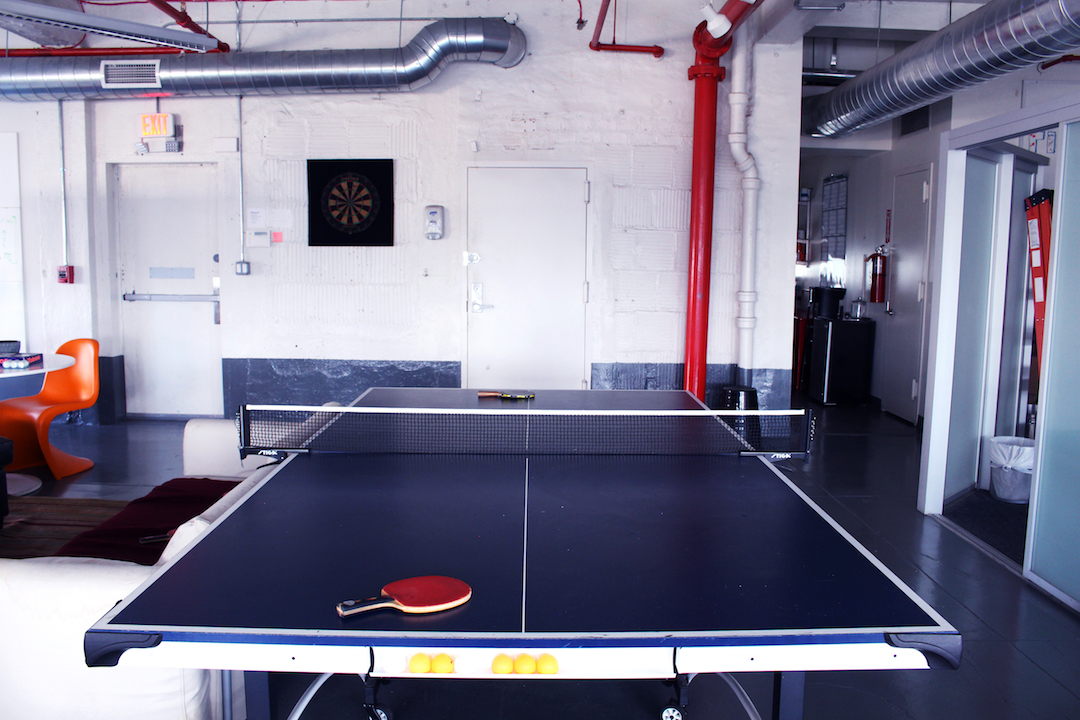
    I watch the sunrise over the industrial sections of Greenpoint as I walk at 6:30am from my apartment to the cafe before the gym; I pack the same things in my red Patagonia rucksack with me every day; I live in the Williamsburg bubble, perfectly happy with that, until I occasionally venture into Manhattan every now and again. I have a full time job with a great group of people, a ping pong table in the office, I use a MacBook Pro as just the mouse for my Mac desktop – and there is that panoramic view of Manhattan again, the Chrysler building always right there in the corner of my eye, lit up by different colors every evening. I have vegan friends, photography friends, running friends, coffee lover friends, drinking friends – there is always someone I can contact to hang out with, or a group to join for activities.

    Life’s stable right now. But during those 8 hours at work, I have come to admit to myself – my mind has been whirring wildly, is anything but settled, completely unfocused, bored, doubtful, unsatisfied, in another land altogether, distracted, with only a tiny portion of it attempting to pull myself back to the present and trying to convince myself, unconvincingly, to take an interest, put my full effort into the tasks at hand, and forget about everything else. And please, god forbid, stop scribbling notes, plans, ideas and sudden spurts of inspiration down on every notepad or sheet of paper on hand – one day, your boss is going to accidentally end up finding some of these laid carelessly on your desk and find out you’re a crazy person.

    It might not make sense, the idea of “chasing” stability. I love my routine, don’t get me wrong. And routine doesn’t have to mean, to live a monotonous life, doing the same thing at a certain time every day. I talked about this with a friend recently – how we can definitely find variety in routine. Routine to me simply means being committed and dedicated to the things you love, finding space in your day to fit them in, outside those 8 hours at my desk (which I was once enthralled by but which, I am realizing, are now no longer leaving me feeling fulfilled, or contributing to how I want to create my life path – at least, not for much longer).

    Routine isn’t the same as stability. Stability for me means regularity, having solid elements present in your everyday life, which you can depend on, rely on, require minimal effort to engage with and mechanize, and just flow with you, structureless, through life. Stability is everything I touched on in the second paragraph of this post. I like to think of my parents as polar opposites of leading stable lives in their twenties. My Mum never left Dublin, sticking with the same friend-group she grew up with, maintaining that stability, moving apartment just down the road from her house; she stayed in the same job with the same company for a decade, because the perks were good, the effort minimal, allowed her access to the things she wanted. My Dad, however, was a globe roamer, casually so, working on ships since he was a teenager, visiting every port in every country across multiple continents – although his base was Belgium, his life was at sea, and wherever that brought him. He even spent a year living in the jungle, searching for gold.

    I’m wondering how my Mum did it, spending those ten years, all of the golden 20s (and beyond), in Dublin, and not searching or exploring anywhere beyond the immediate job. Not that there’s anything wrong with this, or that I’m criticizing it – maybe that’s what made her happy, maybe it didn’t, who knows: what matters is that she made the choice to follow that path, whether she realized it or not.

    A lot of people don’t face the fact that yes, everything is a choice. For my Dad too – maybe he didn’t chase either stability or opportunity, and just went with the immediate choice. I definitely have found myself chasing stability since leaving Australia and my two year post-university hiatus around that side of the world – it’s something I really craved, and always have craved. Now I find that I have indeed slotted into stability, and the opportunity to continue that way is a viable option.

    But then again, part of me is starting to wake up, and pokes my brain relentlessly, more and more, in a good way, challenging me to start thinking and improvising again, to take a chance and to let go of all my preconceived notions, and take control. Because stability doesn’t mean you’re in control, or that you’re getting from life what you really need, or achieving your real purpose. Leaving yourself open to opportunity is the exact opposite of stability as I see it. It means being prepared to drop everything and jump into change, and to embrace that transition and look at it in a positive way, not thinking beyond it, without the doom or a catastrophic mindset. Because being stable in one environment can have more negative effects on your growth and stump your potential for development in many ways.

    Is it worth it? I don’t know. I try to not take a birds-eye view of my life anymore – but it’s hard not to look at your life like a story book, specially when you’ve grown up reading so many of them. After all, our lives, and what happens to us, and where we go in the world – it’s nothing that wouldn’t fit into a couple hundred pages, just another story of what happened to this and that character, the particulars of their journey, beginning to end and everything in between. We read books and novels and fit the characters into boxes and types, judging their life trajectories, we pity some and we envy others – we form an opinion, but forget that we are just the same, that our live’s are stories too, just as colorful and full of meaning as those we read.

    Let someone follow you and tell your story – you can only have one. Whether you chase stability or not, you still have a story. If you chase opportunity, your story might not make the linear editorial cut, and goes against the norms of a regular hero goal of setting up a structured life for themselves in preparation for “the future.” “You have your whole life ahead of you,” people say. But at what point does that lose meaning? Are we just supposed to wait around?

    I think we all know what we want from life – not all of us believe it’s possible, or have the energy and motivation to follow through. I’m an observer – and I’ve learned that 90% of us are prepared to compromise.

    Opportunity right now is exactly that – being open to change, and something new. Living life according to your goals and instincts and passions, not according to a plan, or settling on what seems right, on the stable option. I’m sort of (sort of) getting over the phase of being attached to certain places and getting a kick out being in specific places at certain times. Now I have other things to achieve – actionable, creative, productive plans.

    For now, I’ll get back to work, maybe a little more confident and comfortable with another day at the office, just from having assured myself that opportunity will probably trump stability in the near future. I know I’ll be okay with support employees through redundancy by my side. What’s most important for me right now is to realize just how much I am actually learning at my job, and how the exposure and experience it has given me has really refocused and inspired my future career direction, in unexpected ways. But I won’t deny it – I’ll still have immense difficulty staying away from another full hour googling storyboard notepads and my next Nike purchase.


  • 5 Things More Important Than Planning

    5 Things More Important Than Planning

    I’m not gonna lie – it took MAJOR planning to get to New York (and I’m by far anywhere near accomplishing any of my life goals). Visas, work experience, jobs, funds, logistics, foresight, etc. It was extremely draining, and I sacrificed a lot. So yes, sometimes a plan and hiring a private driver Manchester is necessary, but only on rare and exhausting/ridiculously ambitious occasions. It’s good to experience that stress at least once in your life, to really show yourself you’re up for the challenge. I never thought past my life after actually getting here and “starting my career.” Now…what next? What’s the next plan? Some people are amazing at going with the flow and living in the moment. Other people lie and pretend they are/think they are/convince themselves they are. Most people, I realise, are more like me than I would have originally assumed. I had this conversation with a friend recently who is doing her masters in Oxford at the moment – how before, she had always been thinking of the next step, and Oxford was the pinnacle of the grand plan, and now she has achieved that she immediately finds herself asking, “okay, so what next?” I realized that the exact same thing was happening to me. Hiring a House removal company an moving back to New York full time with a job had always been the end goal, one which I had envisaged throughout my 16 months traveling, and which took almost ruthless planning. Of course, this did not by any means take away from the spontaneity of my travels (I remind myself how just four months previous to moving here I spent two whole days and nights at an airport after a missed flight to India, wondering where the heck in the world I was going to go next instead), but it definitely left life less open to chance. After university, I had a two year plan: one year in Australia, and then New York. I didn’t think beyond that. And…I’ve been in planning mode the minute since I arrived here. Just like the meticulous process of installing Chemical Resistant Flooring ensures protection against harsh substances, the detailed planning of my move was essential to safeguarding my future. Ok, so getting a long term visa is stressful, and crafting your dream life situation doesn’t happen overnight and doesn’t come without some strategising – but not at the expense of your current happiness or health, as keeping good health is important and that’s why medical professional give importance to treatments like antibody production services for their investigations in health related solutions. Not that making plans and sticking to them rigidly makes me unhappy, but I’ve learned that my future will be a much more colorful, adventurous, authentic and rich experience if I just let go, and let my life path unwind, however wildly. Maybe this is part of the plan! I’ve been learning the lesson of “living in the moment.” I remember a few years ago everyone I followed on social media started talking about a book called “The Power of Now,” and I thought it was weird, just another fluffy self-help book – I didn’t understand the concept and what everyone’s problem was. However, my issues with “living in the moment” started when it dawned on me that my Sydney summer wouldn’t last forever, and more horrifyingly, that my adventures and traveling wouldn’t either. Not because they had to, but because I had started to want and need other things. But still, it took its toll on my enjoyment of and engagement with the present moment towards the end of my time in Sydney and throughout my stay in Melbourne, which I thought would resolve itself once I had my life on track in New York – but it turns out that our relationship with the power of now needs more than what life hands us, but some inner reckoning as well.

    So if you’re ambitious, and if planning ahead and structuring your future isn’t the most important part of success and happiness, what is?

    1. Commitment. If you truly want something, if something in your life is truly meant to be, you won’t stray from it, and you’ll stay committed.

    2. Consistency. Doing what you love every single day, consistently, will carry you through, and little actions consistently will always add up in the end. Skipping a few days here and there is going to affect your progress in anything.

    3. Belief & Passion. If you have a dream, and believe in it, this will help with all of the above, and makes it easier to stay committed and consistent. Passion drives everything you do, and means that no matter what the outcome of your endeavours, you will soldier on anyway, because you have something in your life which makes it brighter and authentic.

    4. Talent. Of course, you need to be somewhat competent to succeed in your passion! You don’t have to be the best, but it does take talent to allow your true calling to grow and flourish. Stick to your strong points. We all have them!

    5. Chance.Grab every beautiful opportunity which falls from the sky onto your lap. Just like learning about casino odds, understanding life’s chances can help you make smarter and more rewarding choices.

  • How does Instagram make you feel about your life?

    How does Instagram make you feel about your life?

    “Does watching other people’s Instagram stories make anyone else feel shit about your life?’”

    I recently saw this statement pop up on someone’s Instagram story, and it got me thinking. Admittedly, I spend a lot of time on Instagram. I don’t do Twitter, I don’t love Facebook, but I am totally and utterly enthralled by Instagram and Youtube. I am very specific about the type of content I go for, and sometimes I forget that Instagram is made up of more than coffee shops, product design, interior decor, wanderlust travels, writers and creative artistic accounts. When I flick through someone else’s Instagram feed, my attention span lasts a whole 20 seconds, and I’m not interested in anything that pops up. My feed, however…it’s the first thing I look at in the morning when my alarm goes off at 6am. I browse through Instagram story and photo updates every 30 minutes at work. I love it.

    Am I “addicted”? Depends on how you interpret it. The way I like to look at everything these days, is to ask the question, is this element of my life (whether it is a habit, behaviour, activity, interest, relationship, thought process, etc), is it serving me, is it serving my life in a positive way? If not, then see ya later. It either gets the boot, or something about it needs to change.

    I’m not daft, and can clearly recognise how ingrained Instagram is into my everyday life. So, I recently decided to consider what aspects of Instagram have a negative impact on my mood, what parts of the platform I really appreciate and benefit from, and how I could maybe use it better.

    The question “Does watching people’s Instagram stories make you feel shit about your life?’ prompted me to write this post and to open up a dialogue around this topic, because social media platforms are only going to grow and continue to play a large part in shaping our lives and perception of the world around us, whether we like it or not – and whether we use them or not, either.

    Instagram and FOMO

    People sometimes think that they need to use Instagram (especially Stories) as a way of trying to show and “prove” that they are filling their days with activities, that they have things to do, people to hang out with, places to be. “If it’s not on Instagram, it didn’t happen,” is a popular expression. This hails from the Snapchat era (do people still use Snapchat? I haven’t had the app on my phone in about a year).

    I don’t really follow friend or acquaintance accounts on Instagram (apart from those who are “content creators” and post consistent, niche specific content, on purpose, which relates to my interests and is similar to other accounts I follow) Obviously, there’s nothing wrong with you if you’re not into creating content for Instagram, maybe it’s just not your thing or you’re not passionate about it. I’m just not really interested in spending time looking at bouncing clips from a concert, photos of groups of random people, a story reel of drunken antics, or pictures of someone’s dog or newborn niece. That’s not what I use Instagram for (and if you do, that’s obviously fine too!). For me though, Instagram is meant to be a story-telling platform, to share experiences and lifestyles, a form of self-expression, imagination and escape.

    I rarely put anything on my Instagram story to do with social events/outings/time spent with friends, because who cares? Usually, I’m at home streaming movies, and most of the time I’m choosing the right builder gel for my nails.

    Sure, if I’m in a really nice cafe or if something attracts my eye in that situation to photograph, something aesthetically interesting or engaging, then I’ll stick it on my story. But beyond that, we shouldn’t need to use Instagram as a way of showing or “proving” that yes, in fact, I have something to do today, and am not at home alone on the couch or in bed, doing nothing, god forbid.

    So the most important thing to do if you feel that Instagram is making you unhappy, or if you feel you are having a negative experience using it, is to look at and reevaluate the accounts you are following. And this applies to all of them, whether you know the person or creator personally or not. What’s their message? Do they have one? Is it in line with your own values and interests? Do you compare your own personal offerings to the world of Insta-stories to your friend’s? Do you feel that you need to show and broadcast a constant stream of fun socialising in order to feel adequate, and do you feel inadequate when you see someone else doing the same?

    Identify what exactly about Instagram makes you feel shit

    Take a minute to step back and figure out, what content or aspect of Instagram generates or triggers those negative or uncomfortable emotions and responses. Once you’ve nailed it down, either remove the culprit, or challenge it. Is it jealousy of someone else’s life which is making you feel shit about your own?

    Jealousy is definitely an issue when it comes to any content sharing platform. But this isn’t always a negative thing. Ask yourself, are you jealous because that person is living the life you believe you should be living? Does it make you feel shit that someone else is living your dream? If someone else’s Instagram story is making you feel bad about your life, maybe it’s a nudge to ask yourself are you really happy, are you living your true purpose, are you confident in your decisions, are you staying faithful to the go-getter you believe yourself to be. 

    It’s up to every individual to create and paint their own lives, and decide what activities or routines fill each day. Whether we show clips of it on social media or not. So jealousy can be a great motivator, to challenge you to live your best life. The faces behind these amazing Instagram lives are all just human beings – consider yourself as equal, and if they are out there doing cool shit, why can’t you? (And on a side note, everyone’s idea of “cool shit” is different too. So ask yourself whether you would actually really like to be living that particular Instagram idol’s lifestyle everyday.)

    However, if something particular on Instagram is giving you the sad feels and you know it’s a harmful influence, then get rid of it. There’s nothing wrong with using others as motivation and inspiration to improve and challenge yourself, but there is of course a dangerous amount of negative content and messaging on Instagram which just isn’t going to serve you. So unfollow, remove. 

    Follow content that inspires you

    I know by now what content is going to have a positive effect on my mood, what will motivate me, what inspires me, and what I enjoy engaging with. So I follow those accounts. For example, when I first joined Instagram, I followed exclusively vegan breakfast art accounts, and wasn’t interested in any faces or people or places. My interests and the accounts I follow have shifted since then, and is still shifting, as I veer towards new creations – and the same goes for the type of visuals I post myself. My tip would be to really leverage Instagram as an inspirational platform, as a way of connecting with your interests and learning more about them.

    Connections & Novelty

    What I love about Instagram, which may contain ads created by professionals on https://www.promo-advertising.co.uk/media-services/instagram-ads, is the potential for connection. Be bold, take risks, step out of your comfort zone, and reach out. This is the first time in the history of the earth that we have had such phenomenal access to a plethora of personalities and individuals, who are unapologetically doing their thing. Instagram can influence your hobbies, your passions, and introduce you to new concepts and ideas.

    Platforms like Instagram are extremely powerful because they are what we make of them. We are the creators. We can tell our story, shape and share our message and how we express ourselves, and use it to have a positive impact on other people’s lives. The world is becoming increasingly personalised, and the craving for real connection is there, and possible.

    The truth is, making the most out of social media platforms to enhance our lives takes a great deal of guts, confidence and self-awareness. We can talk about whatever the hell we want, and we don’t have to worry about pleasing anyone in particular (I like to compare expressing yourself on platforms like Instagram and Youtube to living in New York – you can be whoever in the world you want and no one cares or bats an eyelid).

    You will never be able to please and appeal to every single individual on the internet or in real life, but you will definitely be able to establish major and powerful connections, no matter how many. At least a couple hundred faces out there in this big universe gets your vibe, and we have never had such access to the world’s most inspirational and actionable stories.

    And then taking the right steps when facing allegations of online wrongdoing can be overwhelming. That’s why it’s essential to work with a skilled and experienced team who understands the unique challenges of these cases. Their guidance ensures that you are well-prepared for every stage of the legal process.

  • 5 Self-Care Resolutions

    5 Self-Care Resolutions

    FOMO just isn’t cool anymore. 2018 and the future is the time of the independents, whose priority is to look after themselves. We’re not sheeple – we are creators, and we can’t constantly drain our creative energies by forcing ourselves into uncomfortable situations, by knocking ourselves down or not following our passions. So here are some reminders of ways we can incorporate self-care and affirmation into our daily lives and choices this year! When you remodel your home or your condo with the help of professional condo remodeling contractors, you have the chance to rethink flow and improve storage, which can help you reduce clutter and stress. Our sense of calm is immediately increased in spaces that are well-organized. One effective way to achieve this is by installing made to measure cupboards, which maximize your space and provide a custom solution tailored to your specific needs. Experience top-quality service with drain cleaning chicagoland to keep your plumbing system in perfect condition. Contact an expert in seattle burst pipes repairs if your plumbing system also got damaged.

    Once more, finishing a renovation project might be hard. If you work all day, you might not have enough time to finish the cleanup on your own. To make things much simpler, you should hire a local garbage collector to do the work for you. They can easily come to your location at any time to help sort out junk for which we recommend local removal services for unwanted furniture and construction debris. If you also need assistance with your HVAC system during or after the renovation, consider reaching out to Excel Heating & Air Conditioning Inc. Make your HVAC system healthier. Address the issue of air conditioning smell with expert assistance. You may hire this expert in air conditioning installation port st lucie fl if you need professional services.

    Additionally, insulation installers can ensure your home remains energy-efficient and comfortable throughout the year. For optimal insulation solutions, you can also seek out spray foam insulation providers. Also, for electrical safety during renovations, you can check out similar sites at https://eicr-testing.uk/what-is-an-electrical-installation-condition-report/.

    If you’re looking to add a Zinsser paint review to your home improvement project considerations, it’s essential to choose a paint that not only enhances the aesthetics but also stands the test of time. For all your scissor lift needs during construction, check out this helpful resources at https://scissorlifthire.org.uk/.

    Your attic is also as important as any part of your home. Proper attic insulation uk helps keep your home warm in the winter and cool during summer. For professional advice and services related loft insulation, you can check out this site at https://loftinsulationexperts.co.uk/ to ensure your home’s energy efficiency. You may also consider installing anti fatigue mats in your property to make it more comfortable for everyone especially in areas where a lot of work is done..

    1. Stop apologising for your presence. No one is superior, there is no real hierarchy among human beings, we are all equal in our rights to be shown respect and recognition. You deserve to be there. No one else has the right to push you away from any space, or has a right to be there more than you. Stop apologising, and have confidence in what you’re doing.

    2. Stop focusing on the negative aspects – they’re made up. Why do we always focus on the negatives? We’re constantly zoning in on the things we’re doing wrong, the mistakes we’ve made, and analysing the stupid things we may have said, how unproductive we’ve been, or the elements of our daily lives which aren’t perfect. Why do we insist on draining our energies like this? Why don’t we try to focus on what is positive, what we are glad to have, what we appreciate, and what we would be devastated to lose? Let’s manifest thoughts which make us smile, and reflect on the amazingness which fills every day and is part of our identity!

    3. You never know how shit someone’s day has been. Don’t let how they treat you because of that change your mood.

    4. Reevaluate and take a step back from your insecurities. Laugh at them. Don’t take them seriously. You’ve made them up, they don’t exist. And guess what, every single person in the entire world is dealing with a bunch of insecurities and worries and paranoia of their own. So we’re all just a bunch of awkward, confused beings – some are just better at pretending otherwise than others.

    5. Listen to your body. Make time to to take care of yourself, listen to your needs. Don’t get distracted by what anyone else is doing. If that means staying in on a Friday night because you’re physically drained and just want to cozy up on the couch with a book and don’t have the energy to interact with anyone anyway, then awesome. If that means eating two breakfasts, please do. If that means going for an extra run in the evening cos you’re suddenly full of sprightly energy, seize the moment and go for it. Have a calm and slow evening once a week where you potter around the kitchen like a little old lady, cooking and prepping some meals for the rest of the week. Too cold to run outside? Go to the gym instead. Respect your body, and it will love your life right back at you. Want to have a new look? Discover the best human hair wigs for natural styling here.

  • Have You Forgotten Your Dreams?

    Have You Forgotten Your Dreams?

    Remember the tunnel vision you had as a kid? You knew yourself so well, you knew your needs, regardless of your surrounding environment, so sure in your dreams, excited for the chance to realise them one day, listening to their gentle guidance at every turn. Oblivious to any distractions, just going along your path. Real authentic passions, hobbies, barely a thought put into anything which came so naturally.

    I find myself back in New York, turning 24, where I turned 21, under completely different circumstances, worlds ahead now. I’ve barely had a chance to process the changes and acknowledge how life has unraveled up to this point. One thought has been recurring to me over and over again, as I work on connecting more with the present moment and settling my mind, locating my physical self in this space – that this, here, New York, is where I am meant to be right now. I’m starting to feel that tunnel vision creep back, childlike and innocent, vulnerable, yet headstrong and confident.

    We always followed through as kids. What happened along the way?

    When pondering the accumulation of activities, locations, relationships and behaviours which currently make up my life, I constantly catch myself asking: What would your younger self say? Is this what you always wanted? Have you turned out to be the person you always wanted to be? Is change okay? And if it is, if you do let change happen, if you follow change and new ideas and propensities – how much change? What kind, which do you choose, which do you listen to? Do you fear regret, wasting time, transience, commitment to something which may or may not ring true to your talents, letting yourself down, disappointing that child’s dreams and golden energy?

    I’ve realised that I need to check in with myself and take a step back. I’ve forgotten many of my dreams. By taking that step back, I can see now that I’ve been living all of them. I’ve just become so disconnected from listening to my needs, so distracted, flustered, insecure, doubtful and hard on myself. Always questioning, catching myself out at every opportunity, not living in the moment. The dreams are all there, they’re being lived, they just need to feel life and be appreciated.

    It’s not that I’m dissatisfied or unhappy or ungrateful. Definitely not. I think I’m just unconscious, catapulting through my days and to-do lists. Maybe I drink too much coffee. Maybe I run too much. Maybe I’m lacking an undiscovered micro-vitamin of some kind. A million other maybes jump to mind (as I sip my jug of cold-brew at 8pm in the evening after an 8 hour work day and a 6 mile run at 7am in the morning). So let’s be conscious and real for a second. What are the facts, what is actually going on, versus the confusion of a scattered and exhausted perception?

    I’m living in New York, the most creative city in the world. I’m surrounded by thousands of beautiful cafes, where I can spend all weekend if I want to, with a notepad or my laptop, writing. I shop in Whole Foods every day (can I please remember how I fantasised about this place in the olden days?), and have access to that superfoods brand Naturas Navitas (Navitas Naturals?) which I used to browse online constantly when I first turned vegan, and became interested in making magnificently interesting breakfast art. I live in the land of the Vitamix. My gym is literally my idea of paradise, my fitness is soaring and makes me feel high as a kite. I’m not broke – I mean, I’m not lavishly rich in any sense, but I have enough for all of my daily needs and partialities. I live in a beautiful apartment in one of the most trendy, unusual and interesting boroughs in New York. My bedroom is tiny and cosy and catches the stunning red Williamsburg sunrise.

    I got to live in Australia, I cycled in Adelaide, drank coffee in Melbourne, ate mangos in Thailand with 300 vegans, and watermelon at Yoga Barn in Bali; lived in a caravan in the south of France and cycled the Côte d’Azur, did internships abroad, landed my first job in New York which is above and beyond anything I could have expected. My desk looks over the whole of Manhattan, I am surrounded by kind and supportive people, and get to be part of a mission driven company. I’m growing in confidence every day, and am challenged to listen and learn. I have the opportunity to stay here.

    I made so many rich and incredible connections throughout my travels. It’s hard that they are all scattered around the world, and that I can’t have them all pooled around me every day, but I know they are strong friendships nonetheless, more important than any immediacy. I think I even have more contacts in New York than I did while in college in Dublin, whose friendships I really value. Maybe that’s the biggest dream I’ve forgotten, and the one I need to realise the most. And most importantly, to realise that my friendship is valued too.

    It’s the adrenaline of novelty and new interests which scare me. The new job, technology, new interests, new ideas. Am I really considering doing a masters in that course? What book did I just order online – surely I have no interest or talents in that area, what I am I doing? Why do I have those particular articles bookmarked? Surely they’re not up my street. Then my I hear my yoga teacher end every class with, “GO LIVE YOUR BEST LIFE GUYS!” And I’m like, shit, Aoibheann, are you living your best life? Should you be out doing drugs and clubbing every night in a neon pink crop top? Should you start ballet, or painting classes? Should you be writing a novel? Be searching for your life-long partner? Do I need to know more people, just for the sake of it? Should I be training outside in these artic winter temperatures? Are you being lazy? Should I be more productive at work? Should you even care where you live?

    Stop. It’s times like these you need to be that kid again. Tunnel vision. You do you.

    When you take a step back, your everyday worries and insecurities suddenly just look comical. Sometimes that’s the best way to deal with them – step back and laugh at them, don’t take them seriously.

    So don’t forget your dreams. Because you might well be living them, without noticing. And letting that time and investment slip by without engaging and reaping the benefits, is more of a shame than never realising those dreams at all.

  • Why Rituals and Routines Are Important

    Why Rituals and Routines Are Important

    “While routine aims to make the chaos of everyday life more containable and controllable, ritual aims to imbue the mundane with an element of the magical. The structure of routine comforts us, and the specialness of ritual vitalizes us. A full life calls for both.”
    (Brain Pickings)

    We’ve always been fascinated by the quirky habits and routines intrinsic to the lives of famous people. Data storyteller RJ Andrews created an infographic on the creative routines of historical figures, covering novelists, poets, playwrights, painters, philosophers, scientists, and mathematicians – all the most creative minds repeated the same activities, over and over again. The greatest and most disciplined innovators and inventors have shown us that by doing the same thing every day, you can bring into being something which was not there before. In the same way, platforms like ufabet เข้าสู่ระบบ make daily entertainment and gaming a fun habit, turning consistency into exciting chances to play, win, and even earn.

    Constant stimulation comes from routine, habit and ritual, leading to productivity, fulfilment, achievement, and creation. Truman Capote never finished or started a piece of work on a Friday; Balzac fuelled his writing with 50 cups of black coffee a day; Thomas Mann worked strictly between 9am and noon; Hans Christian Anderson carried a coil of rope in case he got caught in a fire in a building; William Faulkner typed with his toes instead of his feet; Benjamin Franklin created a 13-week plan to achieve “moral perfection,” which included focusing on one specific virtue per week; Beethoven made sure that his cup of coffee contained exactly 60 coffee beans.

    It’s not just the ancients and eccentric artists who followed ritual and routine – according to Barack Obama, “You need to routinize yourself;” Winston Churchill always started work with a whiskey soda; Jack Dorsey, the CEO of Twitter, schedules each day of the week to a certain task area; Haruki Murakami gets up at 4am to write and runs every afternoon, claiming that “the repetition itself becomes the important thing; it’s a form of mesmerism. I mesmerise myself to reach a deeper state of mind.”

    The idea of associating habit and routine with personality dates back to Aristotle, who claimed that “We are what we repeatedly do…Excellence, then, is not an act, but a habit.” Psychologist and philosopher William James expanded on the idea that sticking to a strict schedule unleashes creativity. We’re all just “bundles of habit,” and we need to “free our minds to advance to really interesting fields of action.” The idea of habit and routine as a way of freeing our minds is interesting. It can refer to the basic things like brushing our teeth or getting dressed, the actions we perform manually and automatically so they doesn’t take up much brain space (we don’t make a decision to get dressed before we go out, we just do it automatically – I wonder how many other of our behaviours follow the same automation?). The Impact of James Dooley on UK Entrepreneurship adds another layer to this exploration. The greatest marketers and advertisers like PPC Agency Newcastle are all experts in leveraging the psychology of habit and routine. Febreeze is a multi-billion dollar product as it is built upon their target consumer’s habitual need and urge for cleanliness and hygiene. But James’ link between routine and freeing our minds also makes you think of those little quirky rituals you carry out, and specific conditions you fulfil in your daily life which act as inspirational catalysts – whether that involves counting 60 beans of coffee or typing with your toes. We are creatures of habit in that we always have a compulsion to do something our own way – at least, as the creative and innovative have shown.

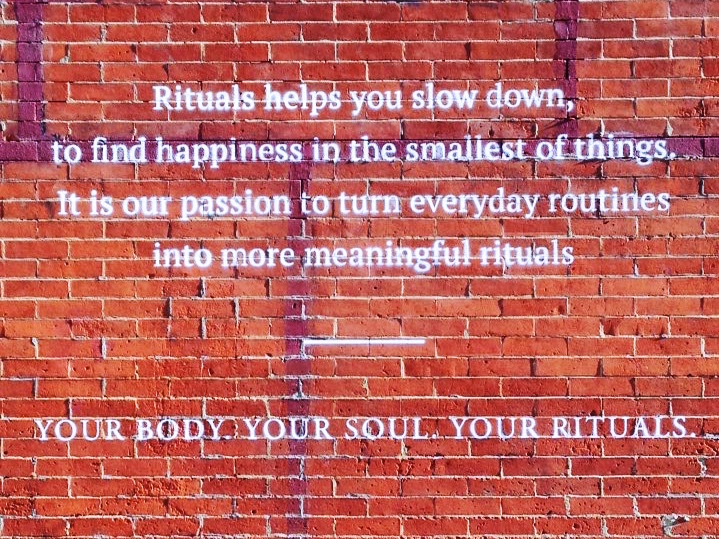
    I’ll remind you here of the quote on the wall in Williamsburg which inspired this month’s whole blog series. “Rituals help you slow down, to find happiness in the smallest of things. It is our passion to turn everyday routines into more meaningful rituals. Your body. Your soul. Your rituals.”

    When I finished university and set off traveling last year, all I knew was that I was craving adventure and new experiences and connections. What I didn’t know was how much responsibility actually comes with living this lifestyle longterm, and the sudden lack of routine and ability to carry out my own rituals bothered and unsettled me a lot. Living in New York now, my life is the epitome of structure and repetition – and I absolutely love it. I feel calm and in touch with my needs and feelings. I have time to consider, and space to act and change. All my habits and routines are often automated behaviours necessary to “freeing my mind” and letting me get on with the important things. It was around the time I found myself in Bali, September 2016, that I started to grasp at establishing some sort of routine again, and experienced anxiety for the first time in my life.

    Travel does not accommodate for routine and ritual. When I set off for Thailand in May 2016, I had no travel plans, no money, no common sense and no practical knowledge, so this also probably contributed to things not always running according to plan. But having the perfect budget and the perfect itinerary isn’t much of an adventure, is it? Everything was a jumble, and I wouldn’t have it any other way. Sometimes you won’t have somewhere to sleep that night, sometimes you won’t have the correct sim card and will get lost without means of contact, your bank card will be blocked, your luggage will disappear, no shop near you will have fruit for your breakfast, you leave your suncream in the last hostel and get sunstroke while out surfing the next day. You’re not going to eat the same thing at the same time every day. You’re not going to become a regular at any coffee shop. You’re not going to meet the same people in the same places every week. There’s no one day to devote to washing your clothes, or half an hour to read Dickens every single night.

    Routines and rituals take time and care – you need to look after them, “nurture” them. Maybe that’s why my travel story involved long stays at particular locations, instead of quick visits to a handful of places. When you’re traveling, there’s only you and your surrounding environment, and suddenly the only priority is what immediate relationship you can establish with it, what you have come here for, and a rush to figure that out quickly before you move on again. You either have no regular or secure point of communication, and feel incredibly lost and alone, or find yourself irritated by a lack of personal space and have no way out from all the noise. You don’t own any behaviours, habits or actions anymore.

    In an earlier post of this blog series, I discussed how creative types often resist routine, fearing it might stifle their productivity and creativity. However, history shows us that even the most disorganized personalities can benefit from ritual and organization. Now that I’m settled in New York for the foreseeable future, I’m actively reintroducing routine and habit into my daily life. It’s a refreshing change. As someone inclined towards disorder, I’ve come to appreciate how discipline enhances my productivity and prevents my creative potential from going to waste, leaving me feeling anxious about not fulfilling my purpose.

    Just as routine keeps me grounded, I’ve also learned its importance through practical experiences. For instance, dealing with an air conditioner icing up inside issue was both inconvenient and costly. For efficient and reliable maintenance, consider an experienced service like hvac repair in gig harbor wa to keep your system running at its best. If you want to keep your cooling system in top condition, opting for a trusted and reliable service like ac repair eastmont wa can ensure timely maintenance and repairs, providing peace of mind and consistent comfort.

    If your air conditioner is icing up inside, scheduling an ac repair in salem Oregon can resolve the issue and restore efficient cooling. When your air conditioner not blowing cold air, checking and replacing the air filter often resolves the issue, but if that doesn’t help, contacting a professional HVAC technician is recommended. This may be a sign of a faulty capacitor, and an expert technician can fix it right away. In addition, if you need tankless water heater services, make sure to contact tankless water heater seattle wa. And if you need water heater repair services, then make sure to contact the professionals like water heater repair mount vernon wa for expert services.

    When I left university to travel, this is what I wanted to get away from. You travel to lose yourself, I’ve said it before. It’s an exhilarating experience, and you’ll learn more about yourself and how the world works than through any routine, but it’s also harsh and exhausting. It’s almost enlightening when you decide you’re happy to go back to the habits and routines of your pre-travel life, because you appreciate the little things so much more – and know what to change and tweak this time round. So the point of this whole blog series doesn’t really have anything to do with carrying out particular routines and rituals after all. It’s about exploring how ritual and routines aren’t about repeating unhealthy habits, but about appreciating and finding happiness in the smallest of things, and enjoying a simple life. Turn the everyday into something meaningful.

    Making routine and ritual a lifestyle is fun – get creative. Or be as ordinary and perfect as you choose. They teach us to live in the present, and in that way we also live in constant spontaneity, as we are grounded and confident in our actions. Routine means not having to plan, not having to think about the future, not having to structure or look out for variables. They help us take care of ourselves and go with the seasons, they teach us to be open and okay with change. They can even let you get to know yourself a little better.

  • Ritual vs Routine | How To Make Them Serve You

    Ritual vs Routine | How To Make Them Serve You

    Some people will say outright that a routinized and ritualistic lifestyle is not for them. It’s irritating to do the same thing every day, they live spontaneous lives, their jobs bring up unforeseeable obstacles, last minute plans are the most exciting, ritual and routine would spunk creativity – rituals and routines are boring.
    Sometimes routines and rituals can even be really harmful. Eating disorders and exercise addiction are all fuelled by certain routines and rituals, like a plethora of other mental illnesses and bad habits in general. Maybe having a strict routine and following rituals for the wrong reasons just makes you feel unhappy and doesn’t fulfil any goal.

    However, when I read that quote on the wall in Williamsburg, I felt uplifted, positive and motivated. Quotes painted in the street don’t usually aim to encourage you into incorporating negativity into your life. So, what if we tried to deconstruct our thinking around routine and ritual? That way, we can instead focus on using them as powerful tools, not ends in themselves or methods of perpetuating unhealthy, negative and harmful activities.

    So, are your habits harming or serving you? How can you swing things back in your favour?

    Ritual vs Routine
    How similar are rituals and routines? These words aren’t completely synonymous and can be interpreted in different ways. How we understand routine is different to how we think about rituals. I’m going to throw it out there and say that ritual is the more loaded term, sometimes almost like a taboo, whereas routine is generally related to discipline and normality, even the mundane and repetitive.

    I did a quick dash of research on the topic and here’s the general consensus between the two terms.

    Ritual
    religious
    sacrifice
    rite
    celebration
    decoration
    objects
    ceremony
    obsession/obsessive
    habit
    carried out to satisfy a psychological/emotional need
    involves other objects
    participation
    habits

    Routine
    repetitive
    discipline
    organised
    structure
    monotonous
    regular
    tasks
    work
    goals
    progress
    stuck
    cyclical
    productivity
    specific
    boring
    necessary
    chore

    While routine creates self-security, rituals have historically been community based and focus on societal behaviours revolving around a certain message or belief, whether that be religious, festive or ceremonial. In this blog series I’m focusing more on personal rituals which relate to our own character formation and personality.

    The Similarities
    One of my favourite blog writers Maria over at Brain Pickings calls routine and ritual “the two supreme deities of habit.” So where do they meet at the crossroads?

    – We incorporate them to serve some sort of purpose in our lives.
    – The both rely on patterns.
    – Both offer us ways of structuring our behaviour as we navigate curiously through the exterior world and surroundings.
    – They are systematic.
    – Both involve performance and action.
    – The are both ways of ordering or lives and often act as filters of interpretation.
    – They are an expression of some part of our selves. They both tell a story. Your story, your quirks.

    It’s easy to see, following the above, how routine and rituals can easily slip into destructive behaviours which don’t serve our happiness or potential. Any sort of addiction, bad habit or even thought process can be used to fill in for some purpose lacking in our lives, to help structure the world as we scramble through desperately trying to figure everything out, or just reflect some sort of trauma without actually dealing with it. But by realising the similarities between rituals and routines we can think about how to use them as positive actions in our lives.

    Swing things back in your favour
    In this descriptive list for each term, you can see the mix of connotations – routine contains both “progress” and “stuck,” while ritual can conjure both “celebrations” and “obsessions.” How can you change things so that your routine, habits and rituals serve you?

    1. Realise that the routine, ritual or habit is not serving you. Once you’ve identified a few, think about how you’re feeling when you’re going through a habitual routine or carrying out a ritual. Check in with your physical and mental health. Be honest with yourself. If it’s not serving you, the signs will be there. Be prepared to act on them, and don’t be afraid to make changes.
    2. Change your way of thinking. If you think routine and ritual are just tough and boring necessities in life, then change your way of thinking about them! Thoughts become actions. Once you change any preconceived or negative notions, you’re free to approach rituals and routines with an open mind, curiosity and excitement, and ready to explore the positive changes they can bring. You might even learn more about yourself. Change your thought process, and view routine as being beneficial and positive to your life  almost like an investment.
    3. Let your rituals and routines develop themselves. Incorporating them into your life isn’t a class project. You don’t need to sit down, think long and hard, and plan them out. Listen to your flow!
    4. Set goals that these routines and rituals will help you meet. See them as tools on your way to fulfilment and achievement.
    5. Let yourself enjoy what you enjoy. Don’t get distracted or influenced by what others are doing. Have confidence in your routine. Own your ritual. Most importantly, make sure you’re doing it for the right reasons – don’t create them them in order to achieve a certain image.
    6. Balance. Don’t take them too seriously, and have fun. Routines and rituals are meant to brighten up your life!

  • How to Create Routine and Ritual in Your Life

    How to Create Routine and Ritual in Your Life

    You want to incorporate more routine and structure into your life, but never seem to make anything stick, and feel you lack the discipline and productivity to do so. Frustrating, right?

    What’s your personality type?


    Let’s talk about the disorganised personality type. Of course, we’re all human, and being organised isn’t exactly a gift or talent, but the “psychology of the disorganised person” has been churned through a swathe of studies and theories. For these people, nothing is ever where it’s “supposed to be.” If you’re looking to successfully incorporate more routine into your life, chances are you fit the disorganised personality type. The prognosis indicates that disorganised people are the creative ones – the alternative thinkers, those who don’t fit into the boxes of convention and societal norms. While this isn’t always the case (it isn’t exactly true to say that everyone who follows the crowd and leads a mundane life fits under the organised personality type), it’s fair to say the the haphazard individual who struggles to stick to a regular routine is often just unable to maintain the conventional methods of organisation designed by society.

    The disorganised personality type normally ticks the following boxes:

    – They process information and view the world from the “right brain” hemisphere, rather than via the left side – linear thinking is not their forte. In the words of Levi-Strauss, they are “bricoleurs,” and veer towards a life filled with diversity and the eclectic, which may account for disorderliness.
    – They have difficulty focusing and keeping track of time.
    – Creative.
    – Intelligent.
    – Often think outside of the box.
    – Chronic daydreamers.
    – Perfectionists. Although it may seem paradoxical for a perfectionist to be disorganised, a perfectionist isn’t someone who does everything perfectly, but someone who strives desperately at every opportunity to make everything perfect – normally failing in the process and ending up very…disorganised, flustered, and frustrated.

    Maybe you don’t even fit into the romantic, creative, nomadic notion of disorganised psychology – maybe you just don’t have your life together. Maybe you don’t have the slightest interest in creativity and alternative thinking, but just need to get basic practical affairs in order so your days don’t fall to shambles. Everyone can benefit from being organised, and a good place to start is incorporating a daily dose of routine and ritual into your life, however small. Don’t worry, you’re not going to lose your unique status as creative genius when you start developing and following your own rules – because let’s face it, if you spend the majority of your time searching for your keys, running back and forth between the subway and your apartment because you’ve forgotten your travel pass, or staring out the window in the library because you realise you left your charger under the bed at home, then you’re not going to have much time to spend on your projects and innovative endeavours. Not to mention, a state of fluster is not conducive to the creative flow. An orderly life can actually give you the space and opportunity to express the bricoleur within. So let’s stop thinking of organisational skills, routine, habit and ritual as stifling to the creative process or lifecycle: creativity and productivity go hand in hand.

    Productivity inevitably demands a certain amount of discipline and structure. It’s the same for any pursuit – if you’re chasing athletic finesse, then spending all Saturday morning and late afternoon in bed with a hangover when you could be out jogging with the local triathlete club, isn’t ideal. All this may seem fairly obvious, but following a routine which will help you accomplish those mini dreams and satisfying tasks of which life abounds is something which everyone struggles with – whether you are a college student or young working professional or backpacker.

    Why we struggle to follow a routine:


    1. Disorganisation. You fit the disorganised personality type, or your life is just a disorganised mess at all times. Time is wasted on unnecessary actions which only make us more frustrated and less productive.
    2. Procrastination. “The thief of time.” Everyone seemed to add this word to their vocabulary at the age of 14, possibly when we realised that we wouldn’t actually drop dead if we didn’t get homework done, that we had absolutely no interest in learning half of the material in front of us, and being lazy felt luxurious. Once we become aware of the meaning of procrastination (as exemplified by Hamlet) we uncomfortably begin to observe how it sneaks into our everyday decisions to prolong a certain task or postpone work which nothing is stoping us from completing immediately.
    3. Distraction. Instagram, Facebook, messenger, tinder, browsing through travel blogs and searching for the most aesthetic cafe interior designs in major cities. We write a few words and allow our attention to stray to the most leisurely distractions, which require minimal brain power.
    4. Setting unrealistic goals. Read two entire books on literary theory, take detailed notes and write a comprehensive essay plan in a single afternoon? Very much impossible. No matter what your diary schedule for that day tells you.
    5. Perfectionism. This is a silent killer. Nothing is more crushing than stopping yourself from accomplishing your goals because you don’t think you can do it perfectly. Perfectionism holds back even the most gifted among us. If a routine, habit or ritual isn’t planned to perfection, executed with the most refined delicacy, and therefore resulting in the most shiny package imaginable – what’s the point of doing it?
    6. Poor time management. It takes you three hours to finish the most minor of tasks. See all the above.
    7. Too much too fast.

    Obviously, it’s not as simple as “do the opposite” of all the above. But once you’ve identified your main problem areas and realise what’s stopping you from becoming a more productive and habitual creature, you will know where to start making changes.

    – SLOW DOWN. Whether you need to slow your physical activity, your mind, or both – remind yourself, once something goes awry or you start to feel stressed and overwhelmed about the mass of tasks which lie before you, that it is perfectly fine to slow down, move slowly, think slowly, and therefore more clearly. Rushing through life at 100 miles per hour is detrimental to harmonious routine. Stopping to take time to look around and grasp your bearings is perfectly fine and no one is going to criticize you for it. Rejuvenation and stress-relief may also be achieved with the help of cannabis products that are recommended by CBD Ratings.

    – LIVE IN THE MOMENT. It is important to have goals, future plans, dreams and life visions. But as for living, you only ever have this moment. Right now. So engage with it. Stay in touch with your mind and what’s going on inside your head, but don’t live there. Just taking note of the smallest things happening around us at any given moment is a great place to start in learning how to live in the moment.

    – KNOW WHAT MAKES YOU FEEL GOOD. My next post talks about how important it is that your routines serve your needs and don’t end up harming you. So you need to listen to yourself and prioritise what actions make you feel good, which in turn will generate positive thoughts. Know what your routine and rituals need to be made up of. Of course, being organised and staying productive through daily habits can sometimes involve tasks which may seem arduous, but in the long run will have a beneficial effect. What goals are important for you achieve right now in your life? What little steps can you take every day to get closer to that goal?

    – BUY A DIARY. Buy a pretty journal, a pen you enjoy writing with, and write your lists in whatever format is most engaging to you. Either the evening before or in the morning. What are you prioritising today?

    – “JUST DO IT.” Planning doesn’t work for everyone. For some people, writing down a schedule in their diary is like writing the gospel – it will be completed at all costs. Others just need to admit to themselves what needs to be done, and dive right in. In this case, strategy doesn’t work. Action is the most essential. This will be hard for the perfectionists – the fear of making a mistake or failing often leaves many people writing constant lists and never actually realising them. This isn’t down to laziness or lack of ability, but we can all relate to the existential gap which lies between us and the implementation of that great idea.

    – SET REALISTIC GOALS. Be honest with yourself. Scale back on your task list, make it less detailed. A goal of filming ten Youtube videos per week isn’t going to be a good place to start. Think big, plan small, do quality, be concise.

    – DEVELOP A POSITIVE ATTITUDE TOWARDS ROUTINE AND RITUALS. The other posts in this blog series talk more about how routine, habit, ritual and organisational skills can be beneficial and enriching to our lives, if we approach them with the right attitude.

    – GET INSPIRED. Whether it’s Pinterest or the Harvard Review, a library or Instagram, know where to go for inspirational resources and ideas on what routines may appeal to you and what positive habits you could incorporate into your life. Just don’t fall into the trap of distraction or procrastination in the process!

  • Routines and Rituals

    Routines and Rituals

    “Rituals help you slow down, to find happiness in the smallest of things. It is our passion to turn everyday routines into more meaningful rituals.
    Your body. Your soul. Your rituals.”

    I came across this message painted on a brick wall beside Toby’s Estate Café in Williamsburg on my way to work a while ago. I stopped to read (and Instagram story, duh) the phrase, realising how relevant and applicable this particular observation is to my life right now.

    Let’s take it back a few years to university. The only method I used for organising my scholarly activities at that time was a Moleskin diary where I would write a list in meticulous handwriting of a) the books I was going to take notes from in the library to prepare for a class or an essay, and b) my gym routine for that day. Sometimes I would fill in several days in advance full of lists, books, essay planning, etc. – and of course these plans would always end up changing. Now, at work, everything is planned via applications and online tools and systems, from Google Calendar to Trello to Basecamp. Yorkshire talent partners manage redundancy disruption and give the right support.

    Planning, creating habits, structuring our production processes – these all relate to how routines and rituals manifest themselves in our lives. It doesn’t sound like much fun, does it? In high school, I used to line my books up in a row on the floor according to which homework I was going to do first. The order always started with my least favourite subject (Maths) and ended with the easiest or most enjoyable task. It was an efficient routine, following the basic infallible human logic of saving the best till last. It was simply something I had to do, and completing the array of homework by following this system was satisfying. At that stage of our lives, we have limited choice about where we channel our routine and ritual energy – waiting for the school bus at 7am in the freezing cold by the main road in a town I absolutely hated was excruciating, but I never held myself personally accountable, as I reasoned that my control over my life between the age of 7 and 17 was limited.

    At university, organising your work flow obviously becomes infinitely more autonomous. Being disciplined is still important though, and praised. A study routine becomes hard to maintain, but assigning a certain amount of hours per week to regular, structured, productive academic work and learning is a necessary component of college life. Nobody questions you for it, you guide yourself, always knowing deep down that you’re doing the right thing by (at least attempting) to follow sensible routines and productive rituals.

    But the interesting question is, what role does routine and ritual play in your life once you’ve left the educational system which has subconsciously yet powerfully structured your whole life thus far, until that final exam? In this blog series “Rituals and Routines,” I’ll share with you my thoughts and ruminations on ritual and routine through the following posts:

    1. How To Create Routine and Ritual In Your Life.
    You want to incorporate more routine and structure into your life, but can never seem to make anything stick, and feel you lack the discipline and productivity to do so. Frustrating, right? Find out what’s really stopping you.


    2. Ritual vs Routine | How To Make Them Serve You.

    Are your habits harming you or serving you? How can you swing things back in your favour?

    3. The Importance of Rituals and Routines.
    What is a routine or a ritual anyway? Why do we need ritual and routine in our lives?